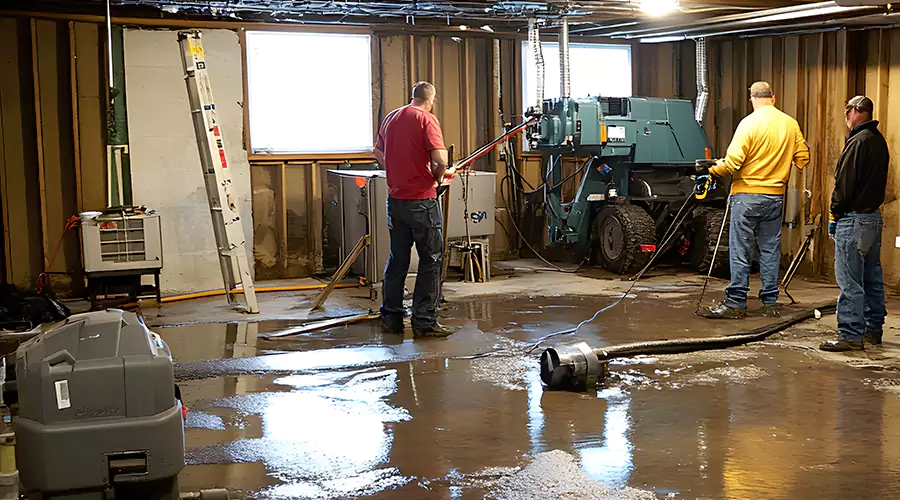



Water damage is stressful, and your first instinct may be to dive into cleanup right away. But making the wrong choices in those first hours or days can increase the damage, create health risks, raise restoration costs, and even complicate insurance claims. Knowing what not to do is just as important as knowing what you should do. Below are the most common mistakes property owners make after water damage occurs — and how to avoid them.
Delaying action is one of the biggest mistakes homeowners make after water damage. Water spreads quickly, seeping beneath floors, into walls, and behind cabinets. Effective Water Mitigation during this time is crucial to prevent further damage. Within 24–48 hours, mold can begin to grow, even if surfaces appear dry.
Quick Tip: Acting fast can significantly reduce structural damage and mold risks, and help support your insurance claim.
Water and electricity are a dangerous combination. Using regular electrical devices (like vacuums, fans, heaters, or even light switches) in water‑affected areas can cause electric shock, fire hazards, or damage electrical systems.
Water often gets trapped below the surface — inside walls, under flooring, inside insulation, and under cabinets. Even if the surface feels dry, hidden moisture can still cause mold, rot, and structural problems later.
It's tempting to try DIY cleanup when you see water damage: mop up, buy a dehumidifier, or start tearing out materials yourself. But without training and professional equipment, you can miss hidden moisture, spread contaminants, or damage materials further.
Insurance companies require clear documentation before approving claims. Many homeowners start cleaning up before taking pictures or video, which can reduce coverage or lead to claim disputes.
Water from floods, sewage backups, stormwater, or malfunctioning sewage systems can contain harmful bacteria, chemicals, or pathogens. Attempting cleanup without proper gear can pose serious health risks.
Many property owners try to speed up drying with standard fans or home heaters. However, these tools don't remove moisture deep in walls, floors, or cavities and can even cause warping of wood or other materials.
Mold begins to grow quickly — often within 24–48 hours after water exposure — and can spread behind walls or under flooring. Ignoring early signs like musty odors or discoloration leads to bigger mold problems later.
Some homeowners wait for an insurance adjuster before they touch anything, thinking they can't act until then. Waiting too long allows water to continue damaging your property and can hurt your claim.
Quick fixes from unqualified or uninsured contractors can lead to ongoing issues like unresolved moisture, recurring mold, and structural problems — and they might disappear before the job is complete.
Water damage recovery is a race against time. Avoiding these common mistakes protects your property, your health, and your wallet. Instead of rushing into cleanup alone, take smart, safe actions — document first, avoid dangerous DIY fixes, and call professional restoration services right away. Acting correctly in the early stages sets the foundation for a successful restoration and helps prevent long‑term issues like mold, structural damage, and insurance disputes.
Our certified experts are ready 24/7 to assist you with emergency restoration services.
GET A QUOTE